 Apply
Apply
Apply
Apply
Memory is more than recollection – it is a dynamic system of encoding, storage, and retrieval that operates across individual, collective, biological, and technological realms. It is the architecture of identity, the scaffold of knowledge, and the engine of both trauma and healing. For the coming year, we propose to explore memory not as a passive archive, but as an active, constructed, and often contested phenomenon that binds together the arts and the sciences in profound ways.
From a biological perspective, memory begins in the synapses – the microscopic junctions where neurons communicate. The encoding of experience into long-term memory involves complex biochemical and electrical processes, a dance of molecules that scientists are only beginning to fully understand. Yet memory is also inherently fragile: prone to distortion, erasure, and reinvention. Neuroscience reveals that every act of remembering is also an act of reconstruction, influenced by context, emotion, and expectation – blurring the boundary between what was and what is imagined.
Equally, memory is inseparable from narrative. We are how we remember, and how we tell our memories – in words, images, gestures – shapes who we are. The act of recounting a life, a community, or an event transforms experience into identity. This raises questions: is the “narrative self” a psychological fact or a cultural construct? How do stories of the past become scripts for self-optimisation, for political positioning, or for artistic reinvention? In this field, creative writing, image theory, and performance become laboratories for exploring memory’s poetic, persuasive, and sometimes manipulative force.
Images and representations also play a decisive role in how events are remembered. Photographs, films, and media accounts do not simply depict but actively shape what counts as significant, who is visible, and how responsibility is assigned. Retelling or re-seeing an event can shift its meaning – sometimes radically – altering not only our understanding of the past but also our orientation to the future. Artistic practice engages with this power of representation by testing how memory can be reframed, questioned, or resisted.
Memory also lives outside us – in monuments, libraries, digital platforms, and data infrastructures. From the Stele of the Vultures in Mesopotamia to the cloud servers of today, societies have devised external supports for remembering, often bound to authority and control. In our present, algorithmic systems increasingly profile and predict us based on structured data, turning memory into a tool of governance and surveillance. Yet external archives can also be re-appropriated: artists, communities, and activists create counter- histories that challenge official narratives, finding ways to reclaim memory’s emancipatory potential.
Culturally, memory is never neutral. It is embedded in rituals, institutions, and media – and shaped by power. What societies choose to remember (or forget) tells us as much about their aspirations as their anxieties. Public monuments, museums, and school curricula act as containers of officially sanctioned memory, while counter-memories emerge in protest, subversion, or silence. The politics of memory is as urgent today as ever, especially in relation to decolonisation, climate grief, digital obsolescence, and intergenerational trauma. Philosophically, memory occupies a central place in questions of selfhood, time, and truth. Is the self continuous, or merely a story we tell ourselves based on remembered fragments? Thinkers from Augustine to Freud to Stiegler have proposed that memory is not just a faculty of the mind but the very ground of consciousness – and perhaps even of history itself. Here, the terrain becomes speculative, poetic, and ontological.
This year’s exploration of memory invites personal inquiry and collective reflection. Projects may focus on autobiographical memory, ecological memory, technological archiving, ritual practices of remembrance, or the aesthetics of forgetting. The aim is not to define memory, but to use it as a conceptual lens – a medium through which connections between disciplines, materials, and meanings can be forged.
As with last year’s topic “colour”, memory is not just a theme but a framework – a structure within which students are encouraged to explore freely, critically, and inventively. It provides a scaffold for cross-disciplinary investigation, a bridge between sensation and speculation, biology and narrative, data and dream. In short: a fertile ground for thinking, making, and remembering differently.
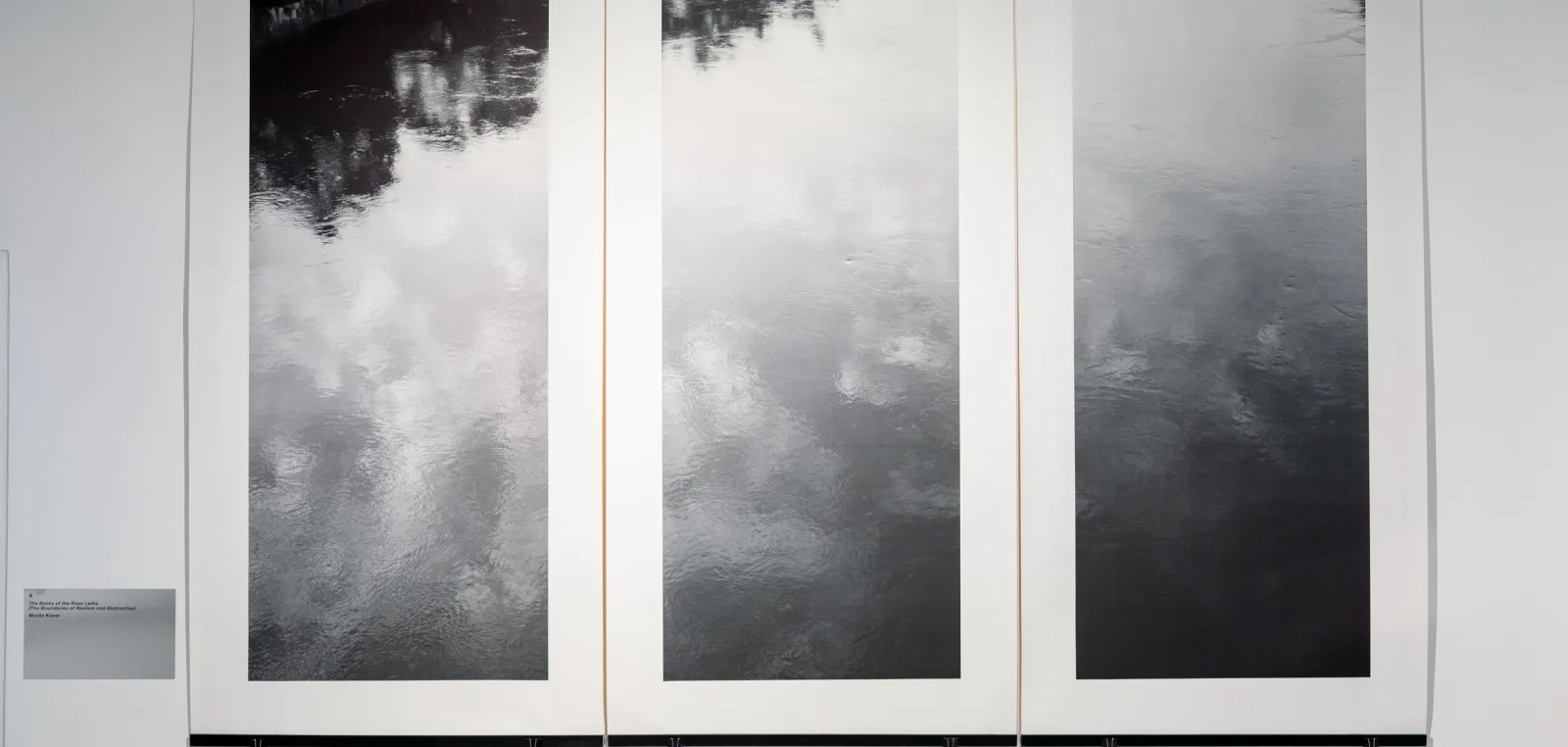
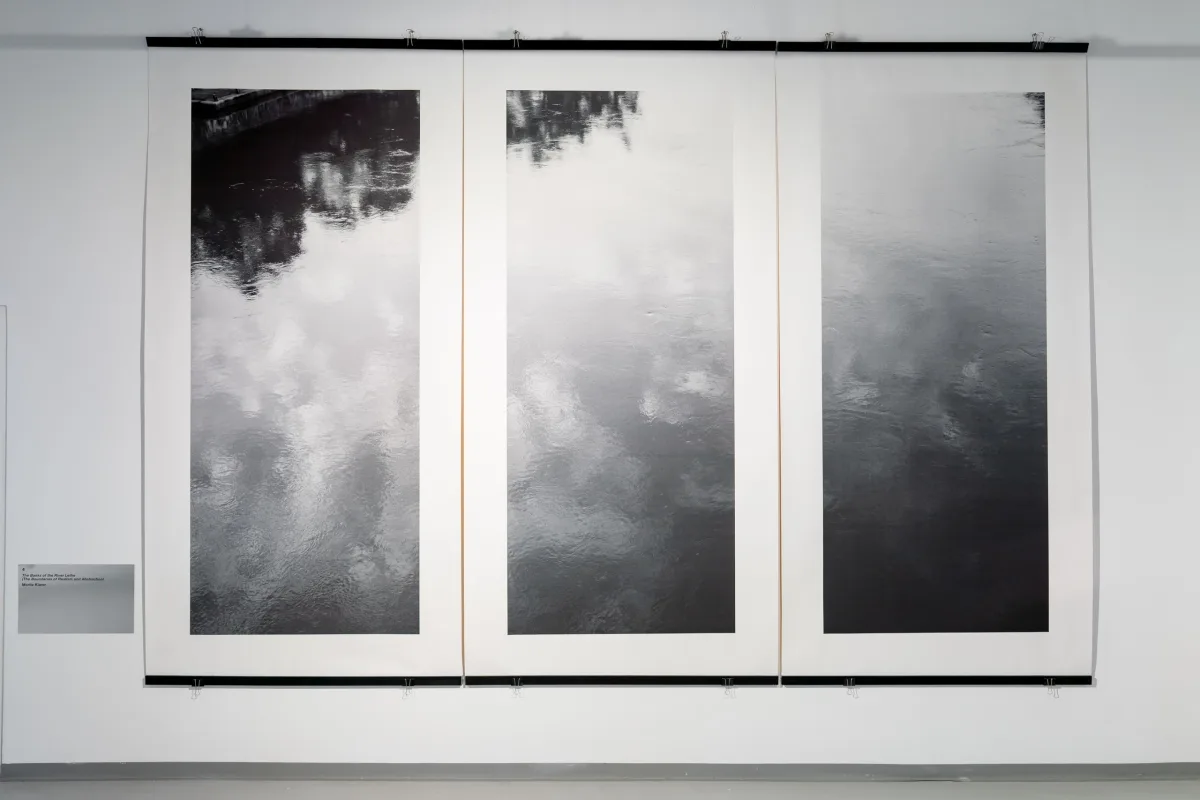 The Banks of River Lethe (The Boundaries of Realism and Abstraction)
Pigment print on baryta paper In contrast to the art of remembering things, in particular the classical ars memorativa (such as memory palaces or mnemonics), this work explores how nature can visually…
The Banks of River Lethe (The Boundaries of Realism and Abstraction)
Pigment print on baryta paper In contrast to the art of remembering things, in particular the classical ars memorativa (such as memory palaces or mnemonics), this work explores how nature can visually…
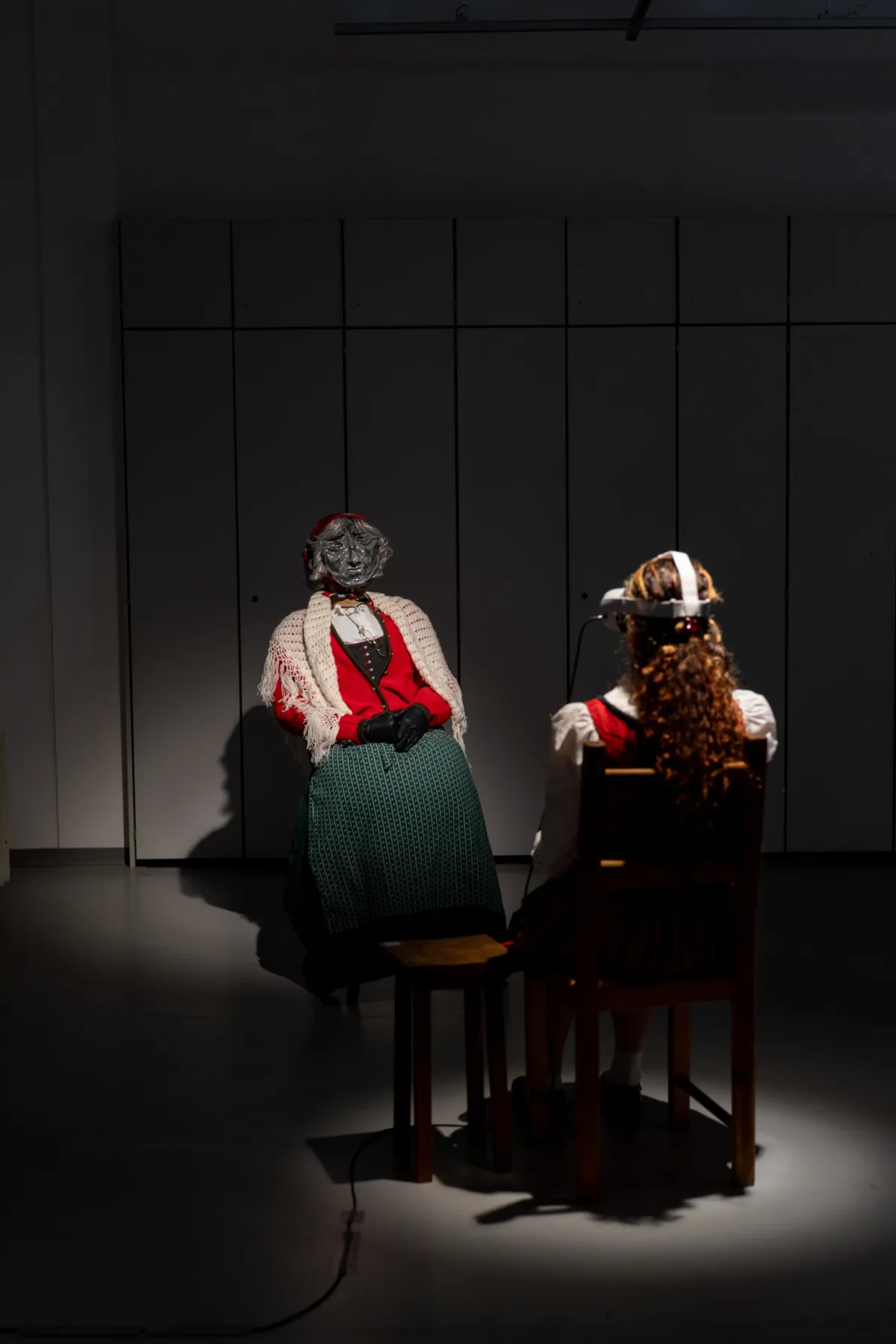 Black Box Memory
 examines how cultural memory is increasingly absorbed into Large Language Model (LLM) systems, where fragments of the past are transformed into generated narratives of ambiguous origi…
Black Box Memory
Black Box Memory examines how cultural memory is increasingly absorbed into Large Language Model (LLM) systems, where fragments of the past are transformed into generated narratives of ambiguous origi…
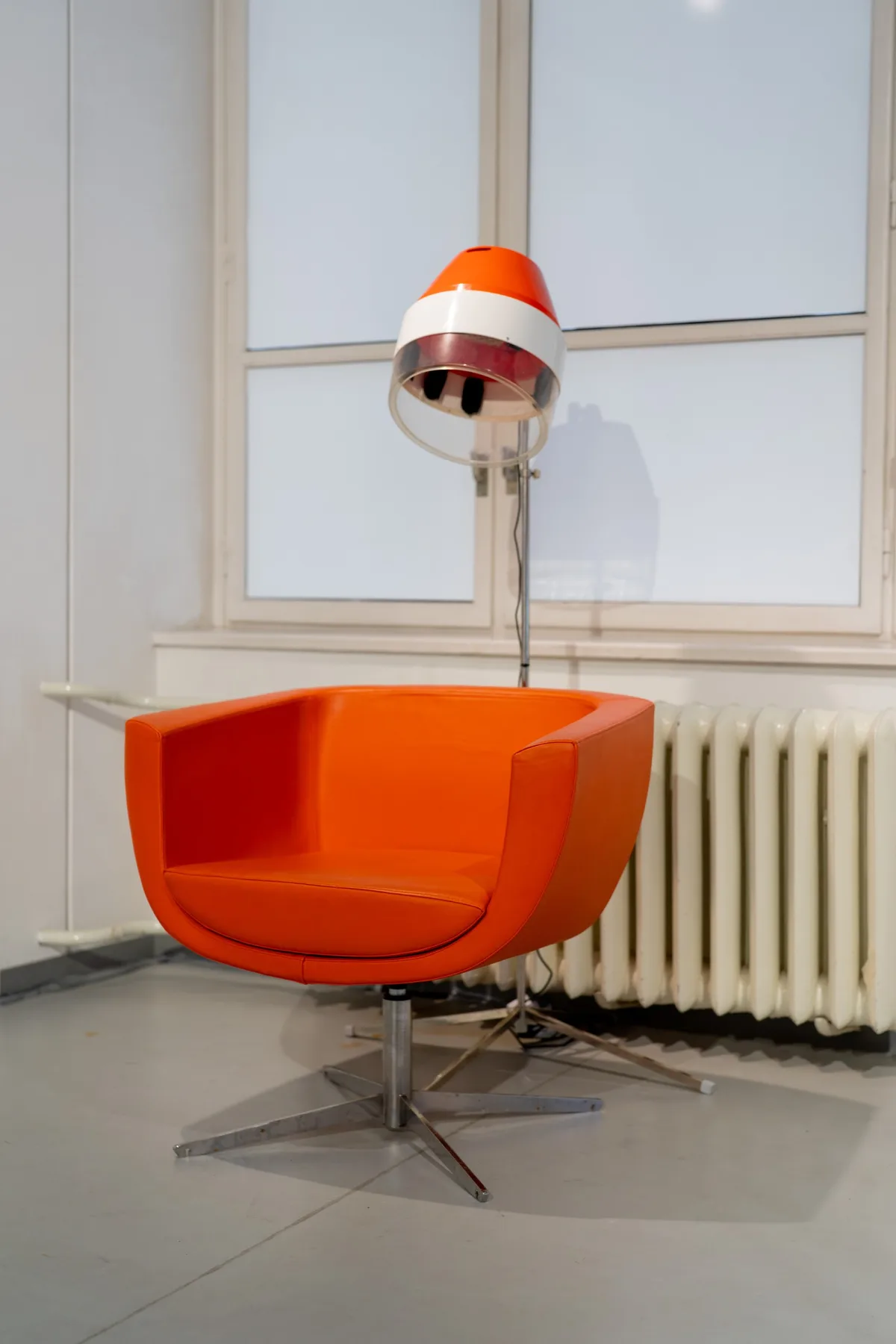 Darf ich noch einen Satz? (Palimpsest for 8 speakers)
 explores how sound can model processes of memory formation and transformation. Layered oscillations and brief sound textures repeat with phase shi…
Darf ich noch einen Satz? (Palimpsest for 8 speakers)
Darf ich noch einen Satz? (Palimpsest for 8 speakers) explores how sound can model processes of memory formation and transformation. Layered oscillations and brief sound textures repeat with phase shi…
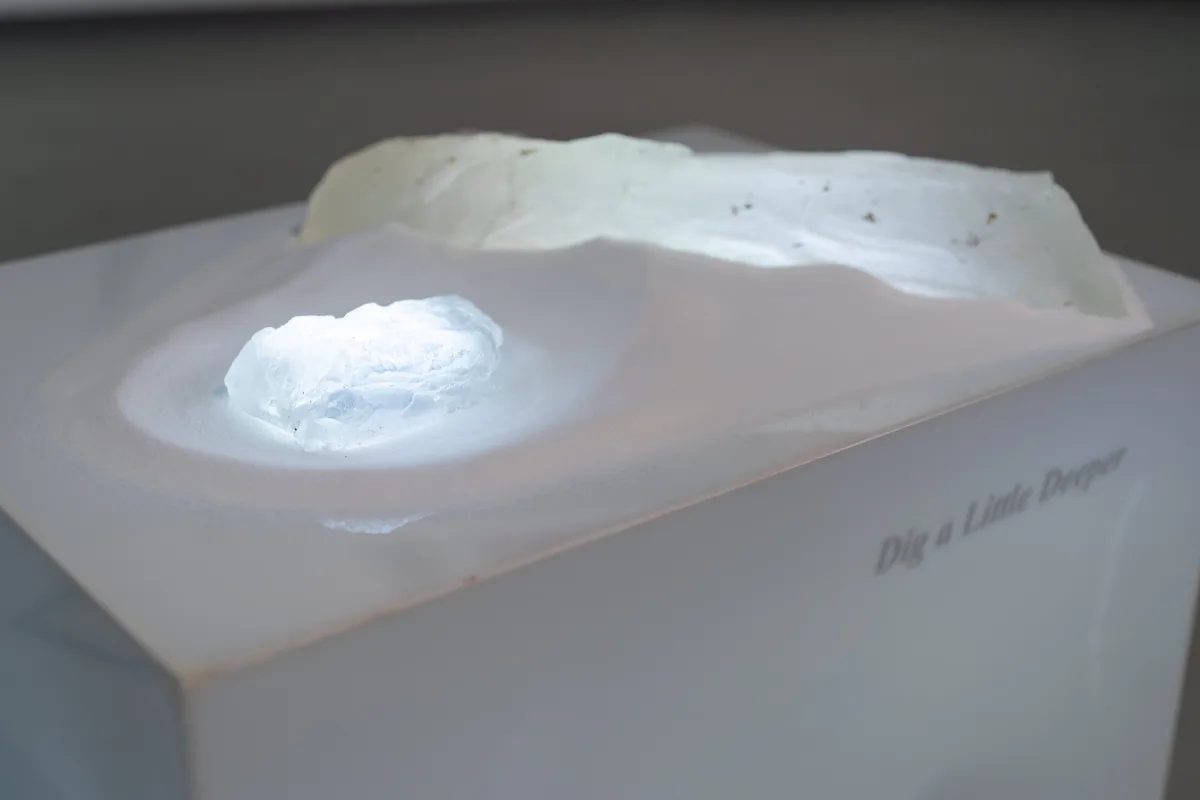 Dig a Little Deeper
 is an installation on the space between material evidence and its interpretation, where only partial traces become visible. Inspired by xenoliths, geological fragments that carry m…
Dig a Little Deeper
Dig a Little Deeper is an installation on the space between material evidence and its interpretation, where only partial traces become visible. Inspired by xenoliths, geological fragments that carry m…
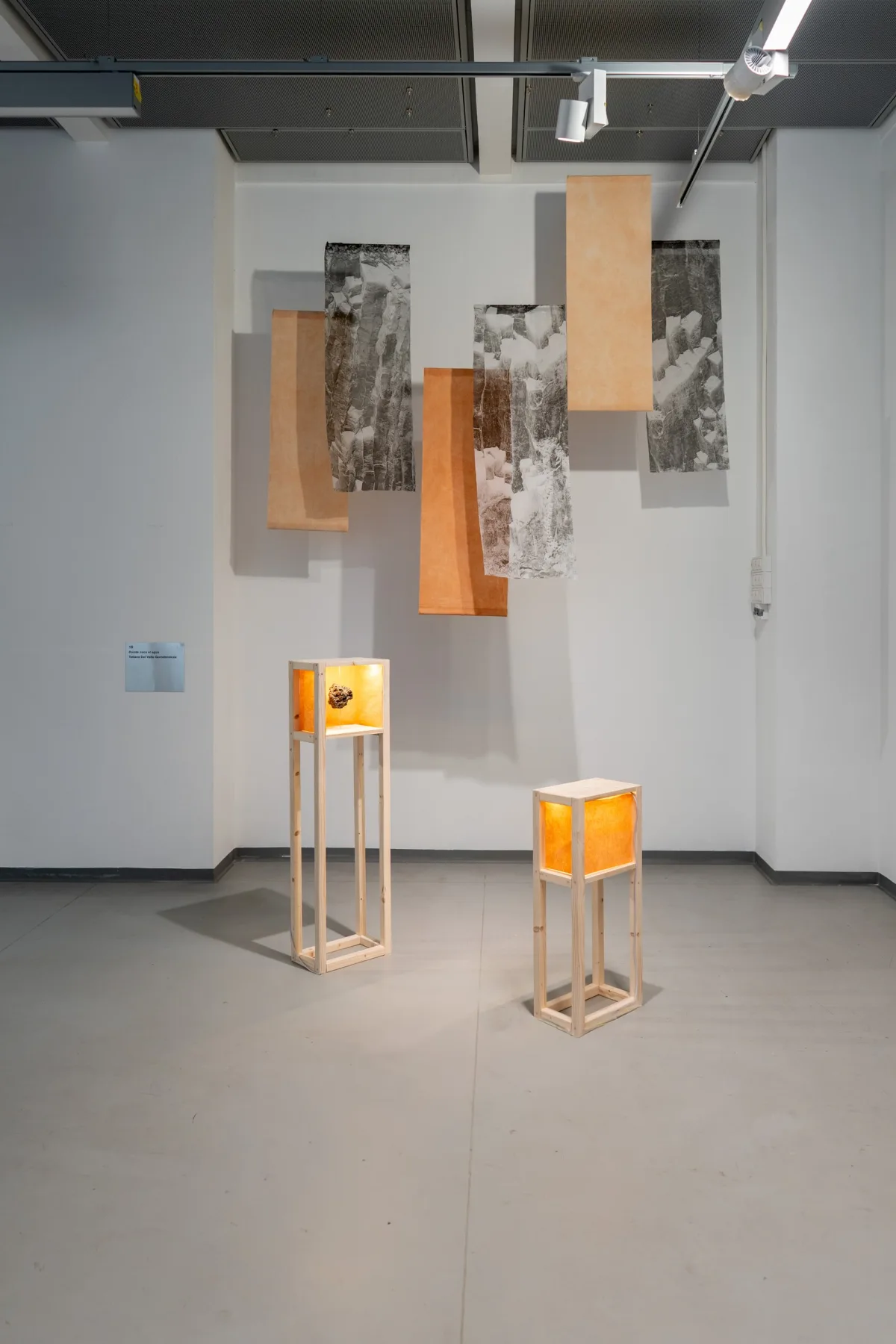 Donde nace el agua
Just like a crevice, “Donde nace el agua” slips through the entanglement of materialities, temporalities, stories, and forms of life. Rather than representing a place, the work activates an experience…
Donde nace el agua
Just like a crevice, “Donde nace el agua” slips through the entanglement of materialities, temporalities, stories, and forms of life. Rather than representing a place, the work activates an experience…
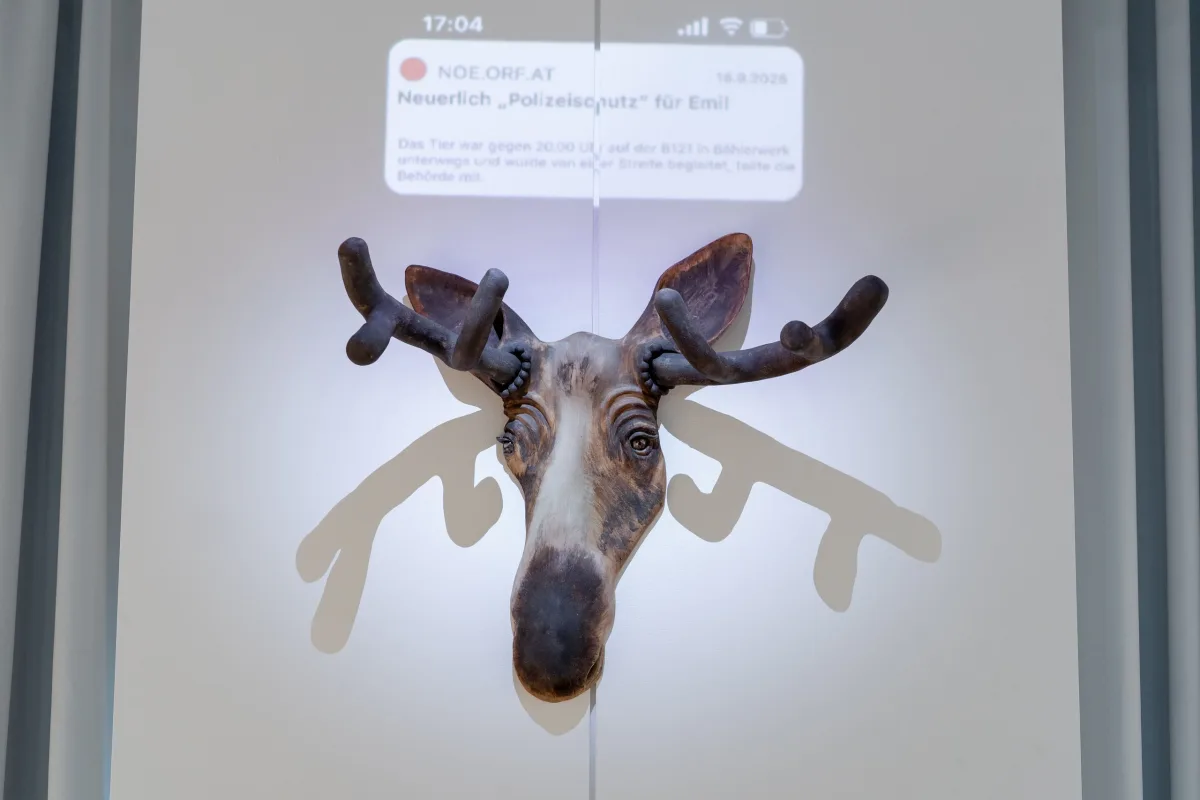 Elch Emil
In 2025, a young moose, baptised Emil by the media, wandered across Austria and became an unexpected national celebrity. His route, reported live across newsfeeds, turned into a spectacle that led to…
Elch Emil
In 2025, a young moose, baptised Emil by the media, wandered across Austria and became an unexpected national celebrity. His route, reported live across newsfeeds, turned into a spectacle that led to…
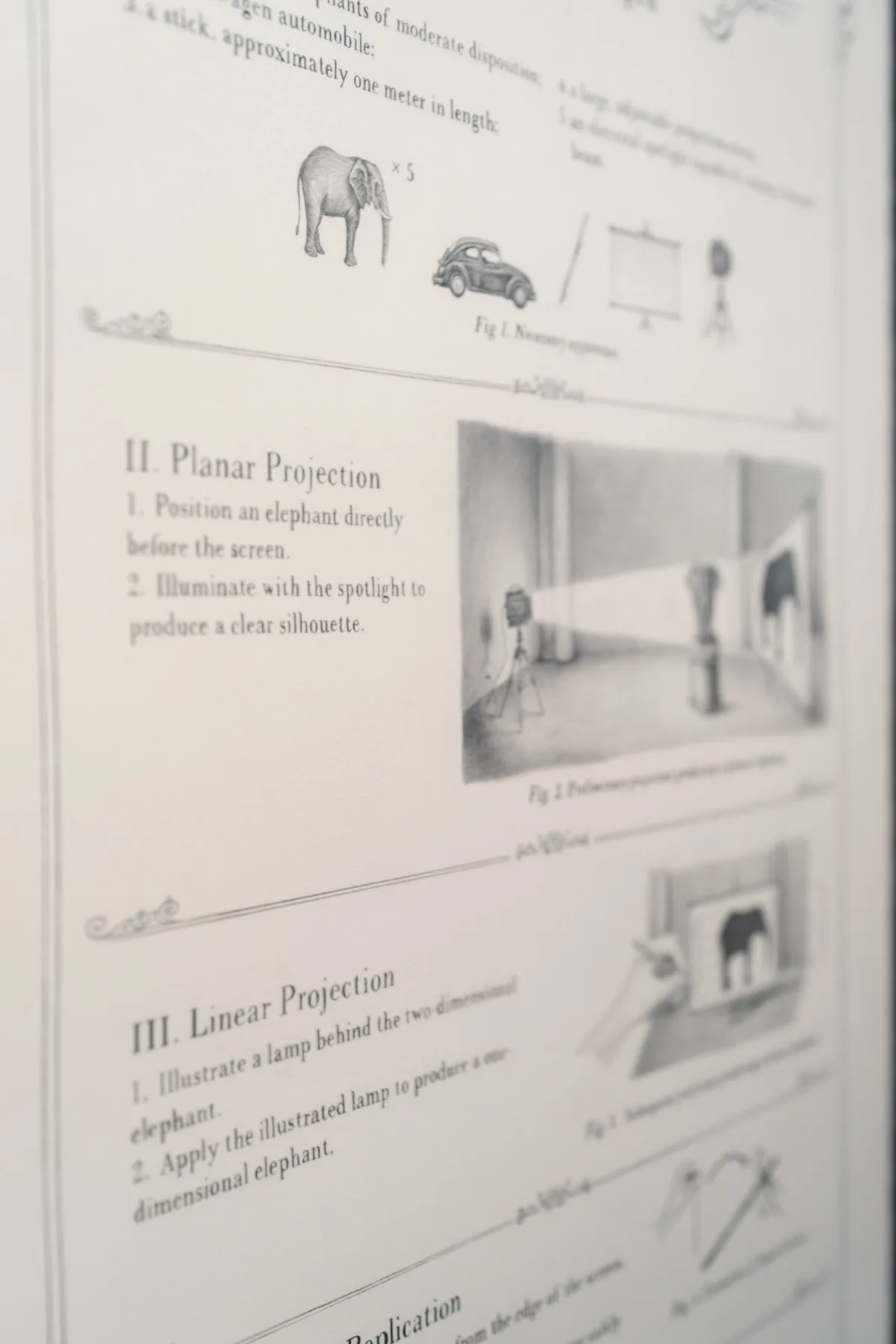 Elephants, compressed
Tal Horesh2026, Pencil on paper This series examines memory as a process of compression: the reduction of complex forms into structures that can be efficiently stored, but not necessarily correctly re…
Elephants, compressed
Tal Horesh2026, Pencil on paper This series examines memory as a process of compression: the reduction of complex forms into structures that can be efficiently stored, but not necessarily correctly re…
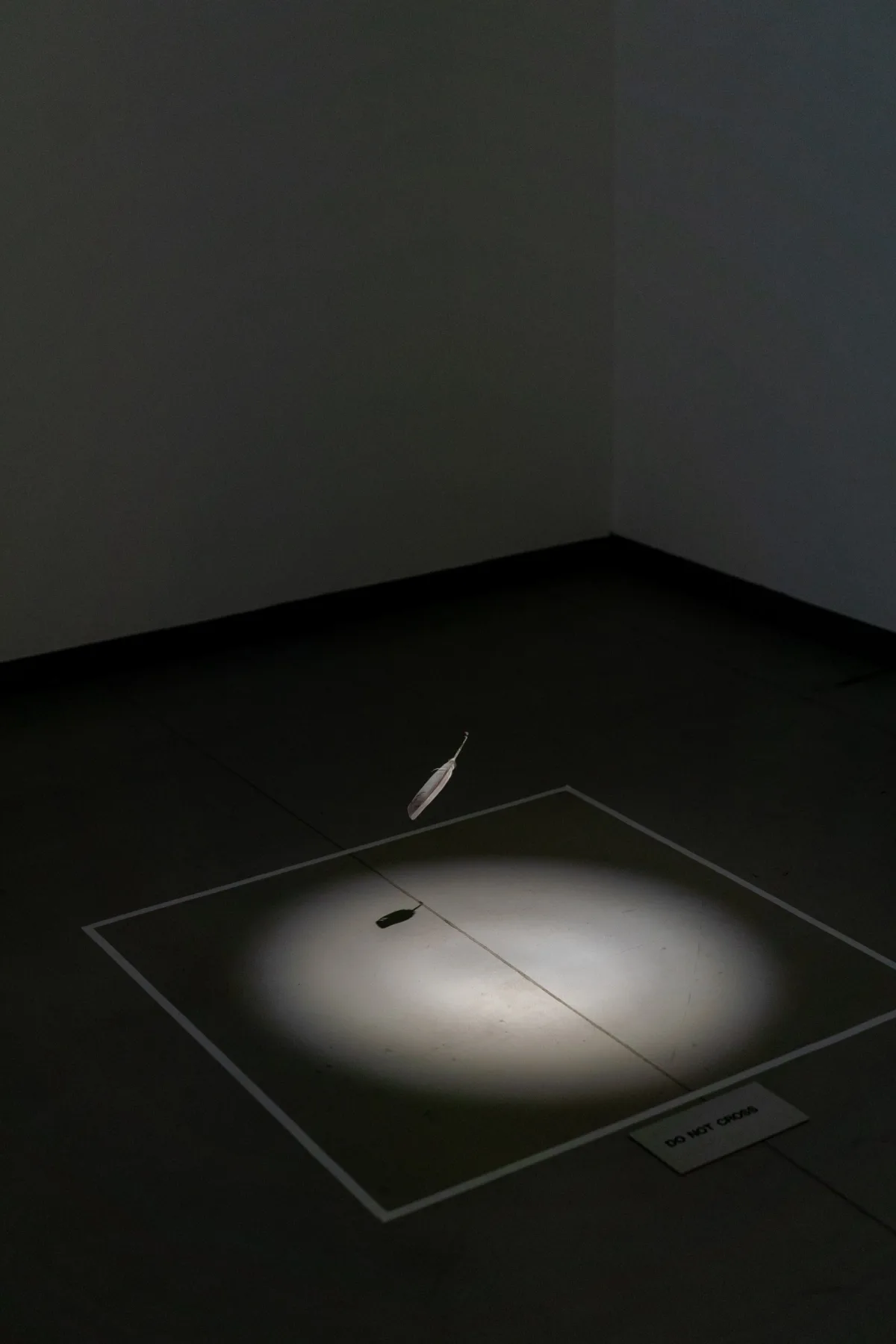 Fallstudie
 shows two pigeon feathers falling to the ground simultaneously—an event that, even with a single feather, is rarely observed directly. Usually, only its traces are visible: feathers on the…
Fallstudie
Fallstudie shows two pigeon feathers falling to the ground simultaneously—an event that, even with a single feather, is rarely observed directly. Usually, only its traces are visible: feathers on the…
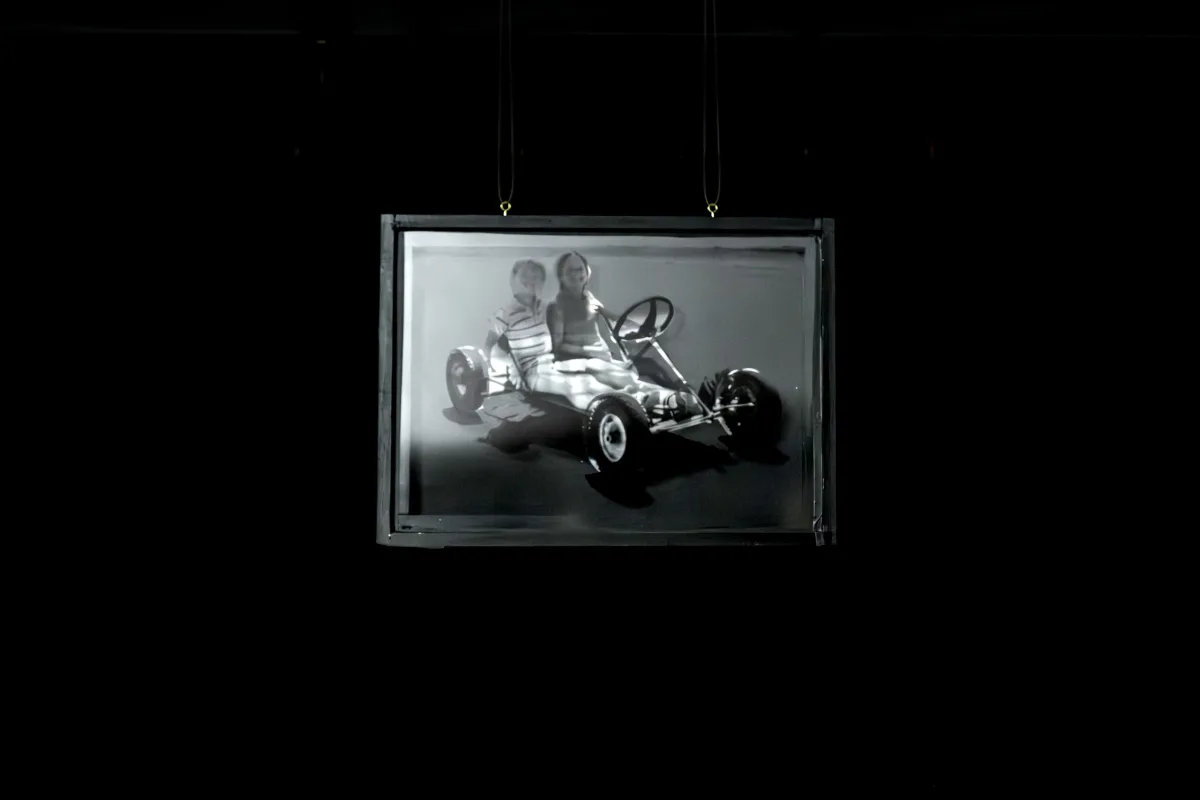 FLASH MEMORY Reminiscence. Remnants of Self
 Ethan Vincent, 2026 Retinal afterimage installation broncolor flash system, black photoboard stencil, overlay photo acetate, timber frame, amaran ambient li…
FLASH MEMORY Reminiscence. Remnants of Self
FLASH MEMORY Reminiscence. Remnants of Self Ethan Vincent, 2026 Retinal afterimage installation broncolor flash system, black photoboard stencil, overlay photo acetate, timber frame, amaran ambient li…
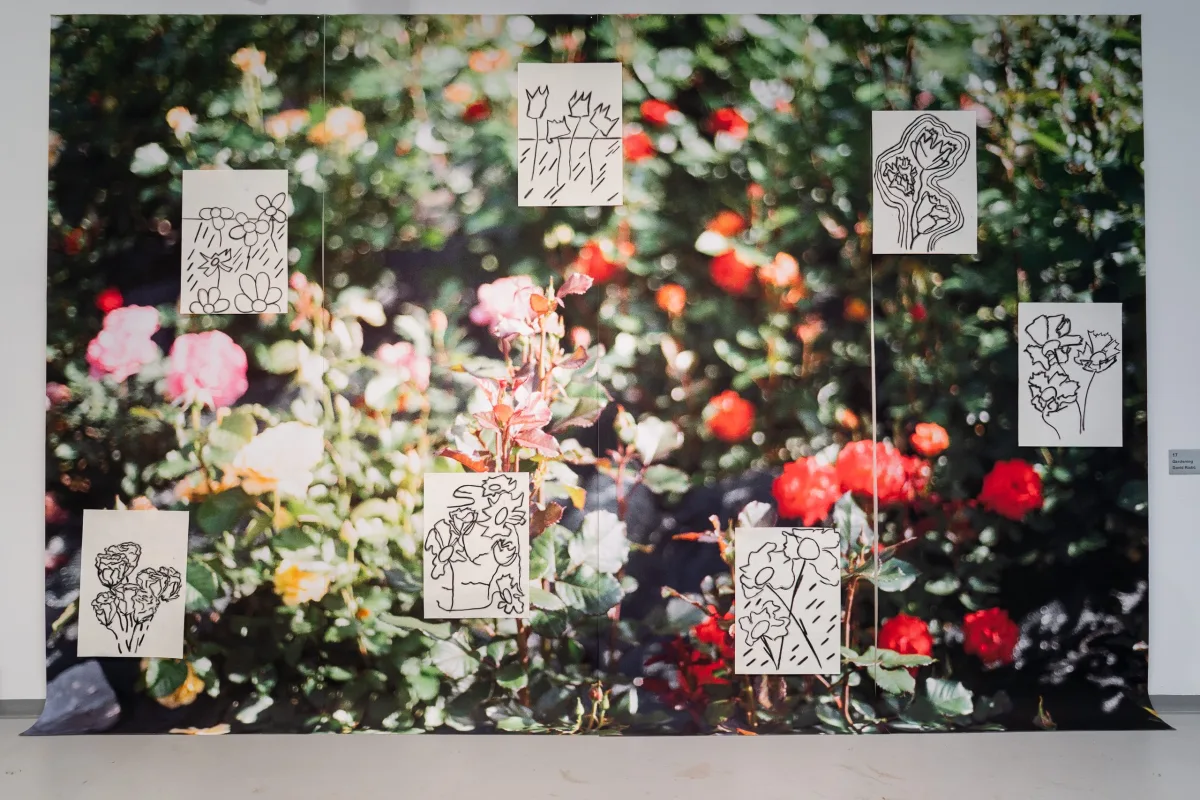 Gardening
Digital Fine Art Print on Hahnemühle, Paper with charcoal Gardening explores the relationship between memory, control, and organic growth through a series of small-scale drawings of flowers. The work…
Gardening
Digital Fine Art Print on Hahnemühle, Paper with charcoal Gardening explores the relationship between memory, control, and organic growth through a series of small-scale drawings of flowers. The work…
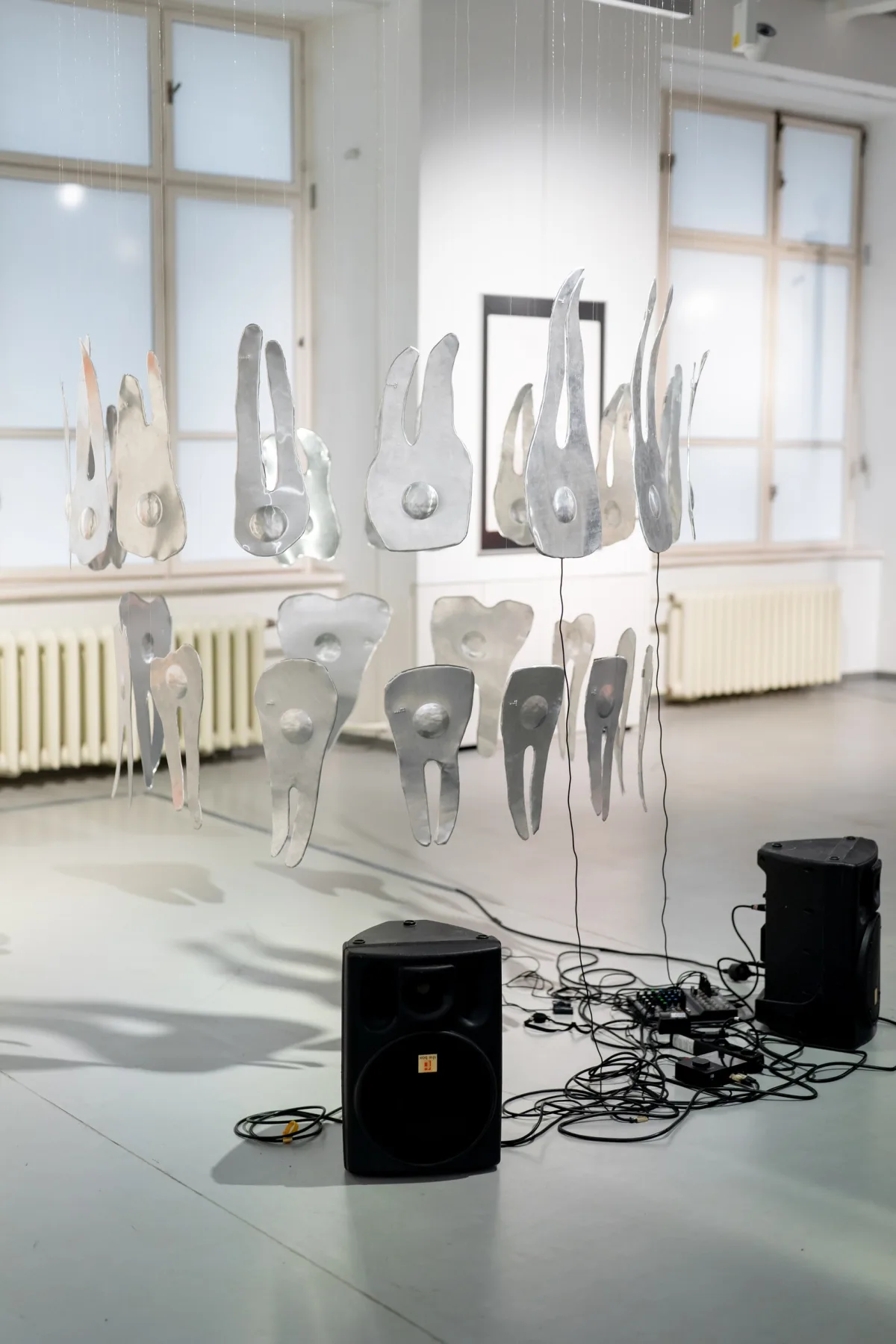 Hypervigilant
Constant vigilance can develop as a response to racial discrimination and transgenerational trauma, allowing potential threats to be recognized in advance. This fight-or-flight state activates the ner…
Hypervigilant
Constant vigilance can develop as a response to racial discrimination and transgenerational trauma, allowing potential threats to be recognized in advance. This fight-or-flight state activates the ner…
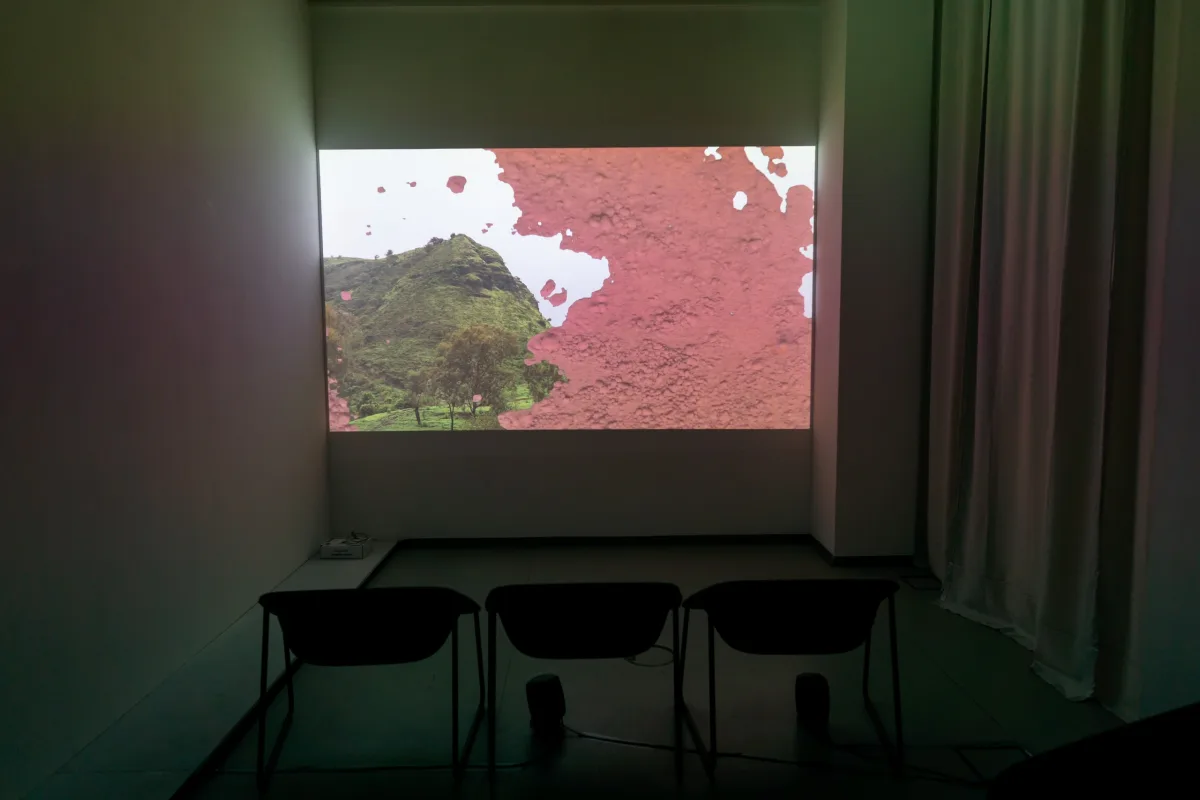 I can, I can’t
Video essay with sound – running in loop Many years ago I met an adolescent girl during a summer spent with my estranged father in India. A friend whose identity keeps slipping from me each time I rea…
I can, I can’t
Video essay with sound – running in loop Many years ago I met an adolescent girl during a summer spent with my estranged father in India. A friend whose identity keeps slipping from me each time I rea…
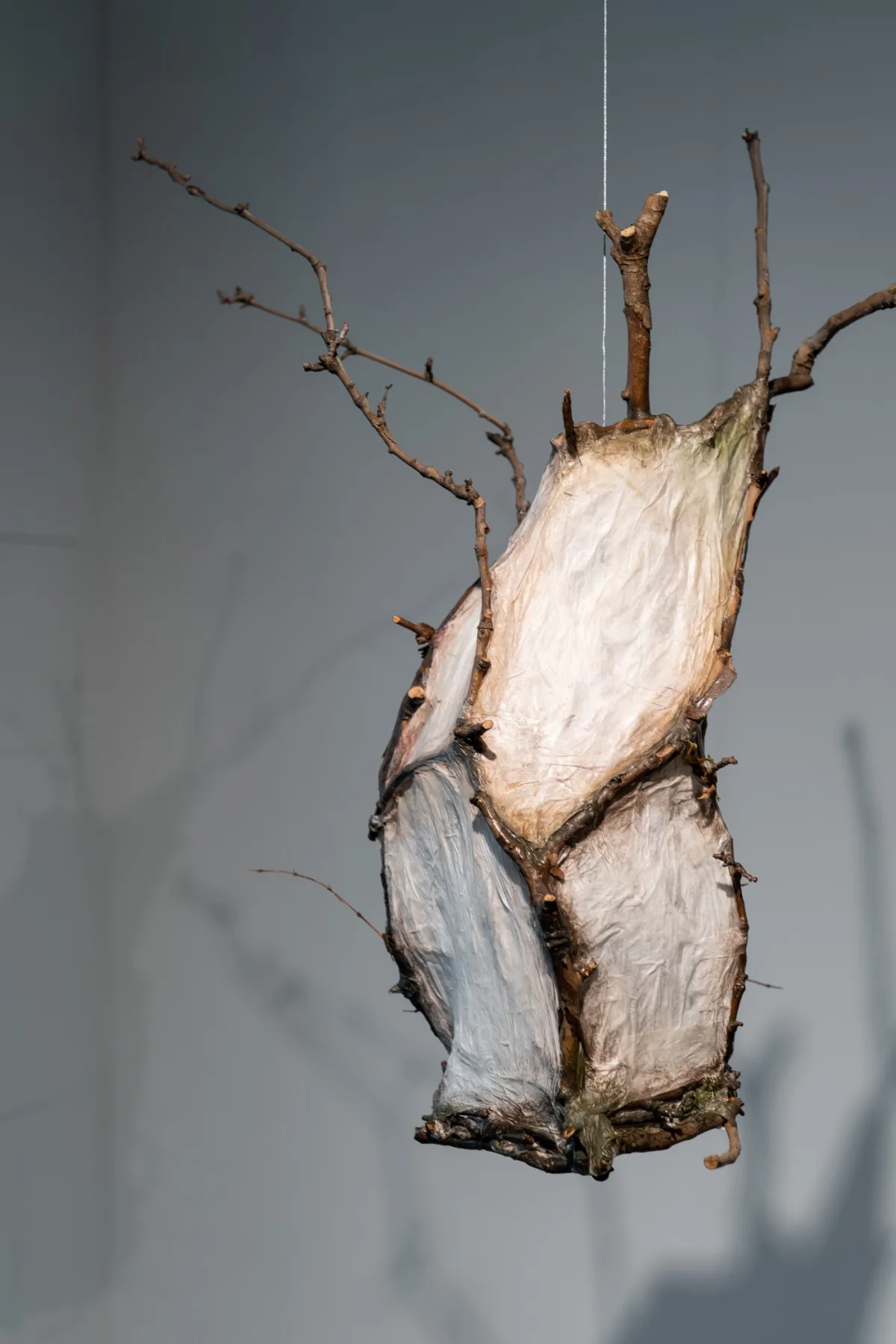 I think I hear something that’s gone
recordings sourced from The Macaulay Library and edited by the artist. In 1949, Hēnare Hāmana was recorded imitating the call of the huia – an extinct bird from Aotearoa of which no other recordings e…
I think I hear something that’s gone
recordings sourced from The Macaulay Library and edited by the artist. In 1949, Hēnare Hāmana was recorded imitating the call of the huia – an extinct bird from Aotearoa of which no other recordings e…
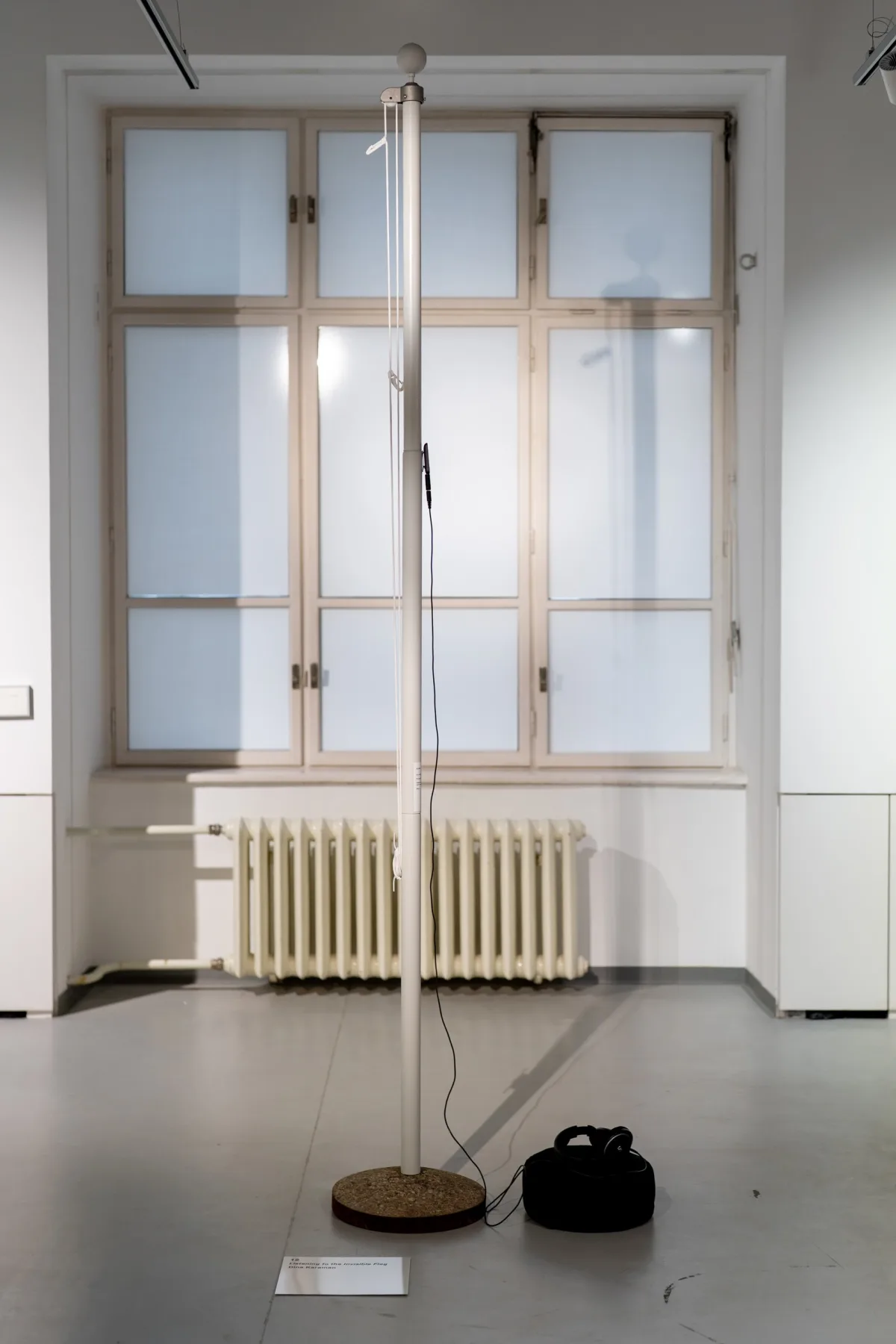 Listening to the Invisible Flag
The installation invites the audience to observe what arises in their imagination in response to the sound of a flag fluttering in the wind. Listening, memory, and imagination, all in constant motion…
Listening to the Invisible Flag
The installation invites the audience to observe what arises in their imagination in response to the sound of a flag fluttering in the wind. Listening, memory, and imagination, all in constant motion…
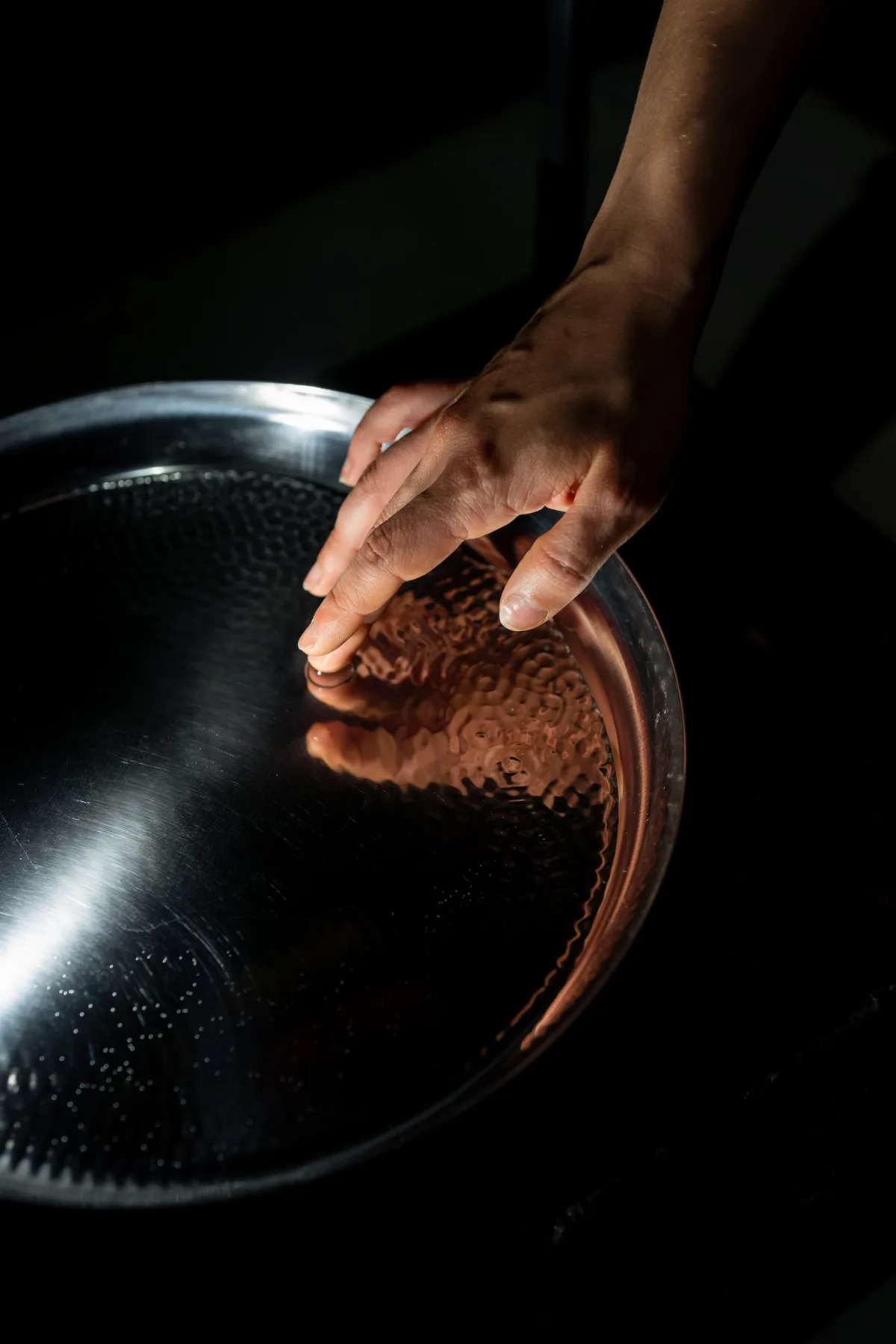 Memorial for the Green
Hasti GhasediMemorial for the Green2026, Soil, water, light projection, mirror, sound installation Memorial for the Green is for those taken during recent protests and war in Iran, and for those who r…
Memorial for the Green
Hasti GhasediMemorial for the Green2026, Soil, water, light projection, mirror, sound installation Memorial for the Green is for those taken during recent protests and war in Iran, and for those who r…
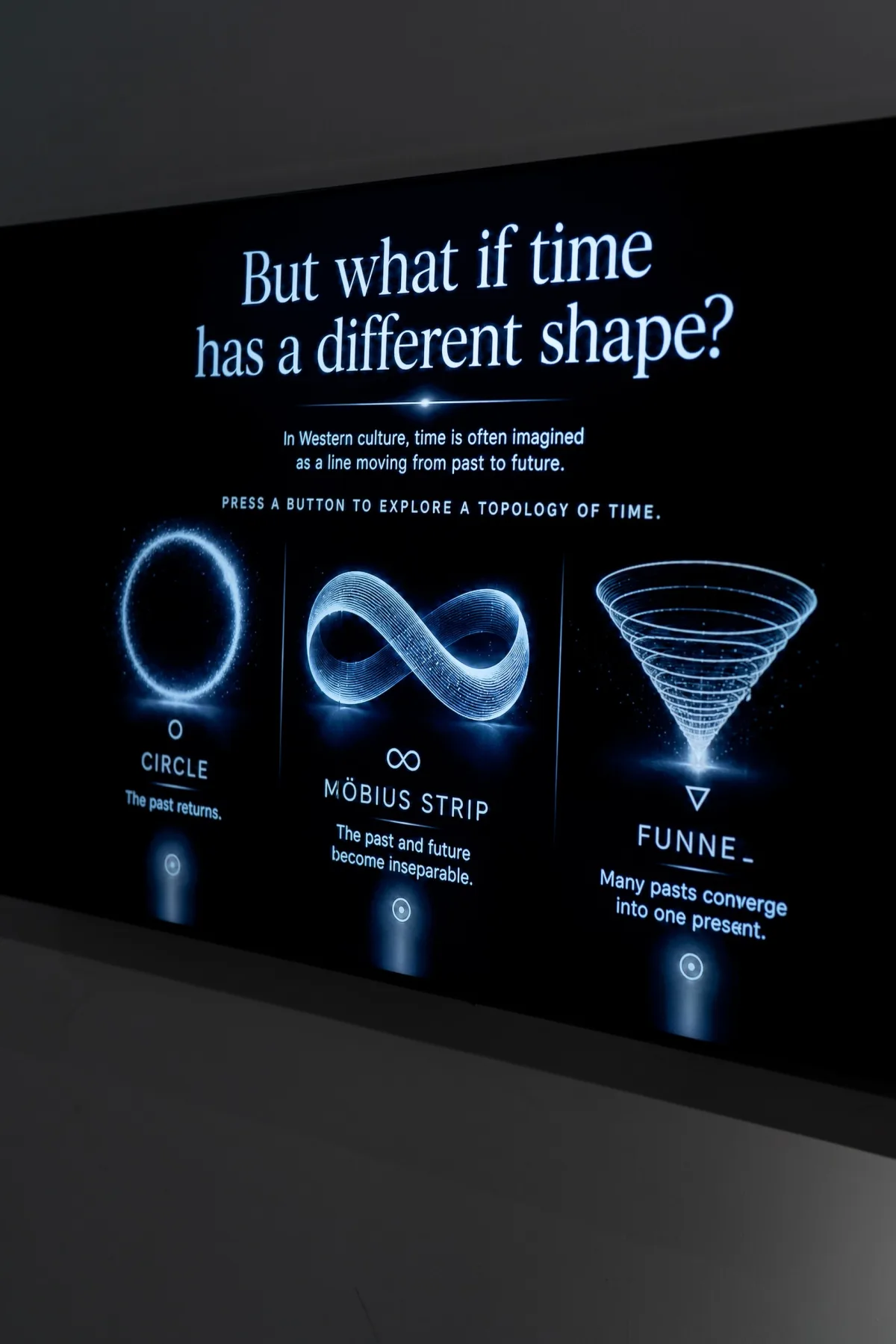 Memories of the Future — the past is still arriving
This installation explores how memory is shaped by structure rather than fixed in time. A series of topological forms is placed in the space for the audience to touch and navigate. Each form embodies…
Memories of the Future — the past is still arriving
This installation explores how memory is shaped by structure rather than fixed in time. A series of topological forms is placed in the space for the audience to touch and navigate. Each form embodies…
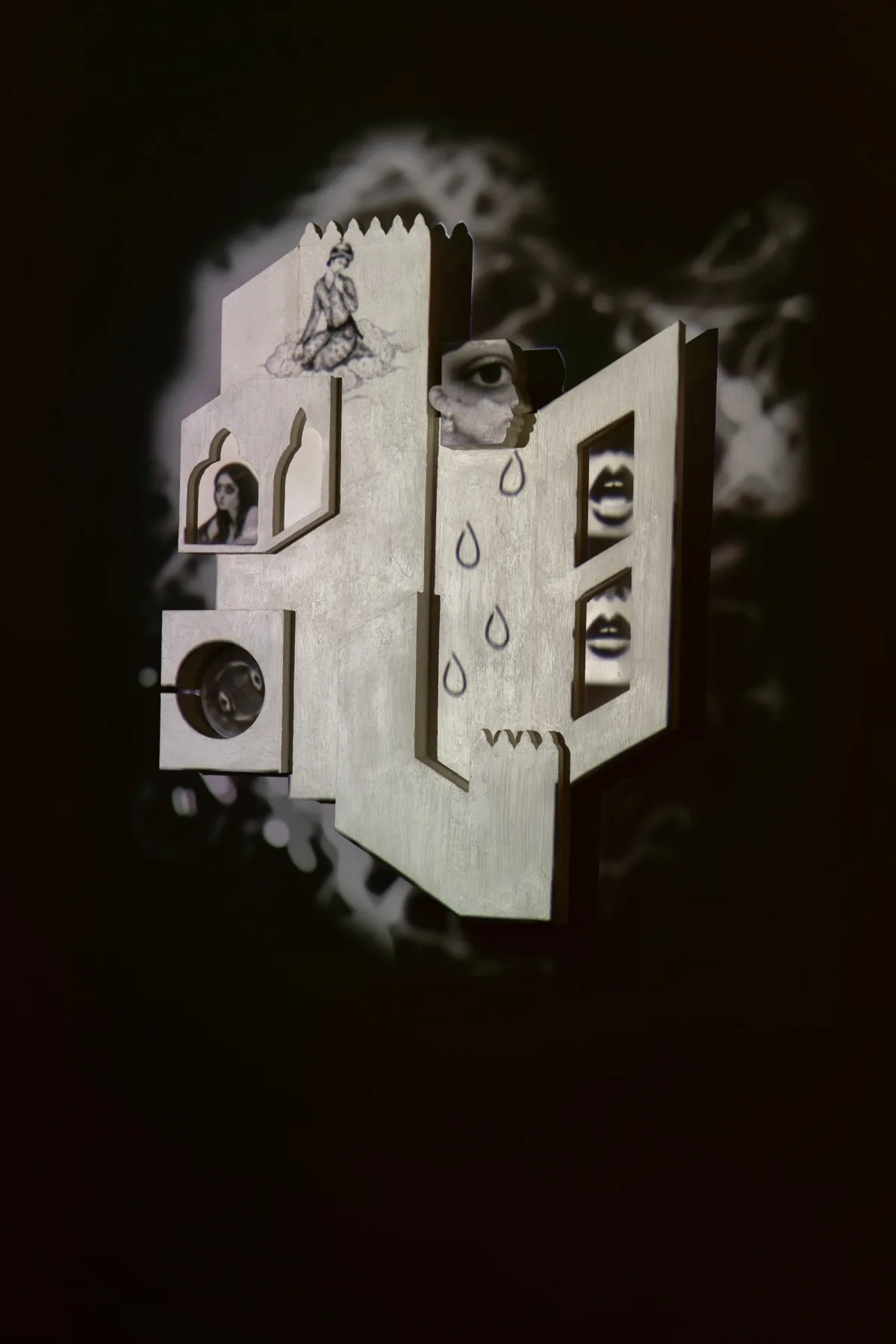 Occupied by Absence
Space, as a form of being, can carry perception and memory—something that cannot be physically touched or fully explained, yet can still be deeply felt. Occupied by Absence was born from the feeling o…
Occupied by Absence
Space, as a form of being, can carry perception and memory—something that cannot be physically touched or fully explained, yet can still be deeply felt. Occupied by Absence was born from the feeling o…
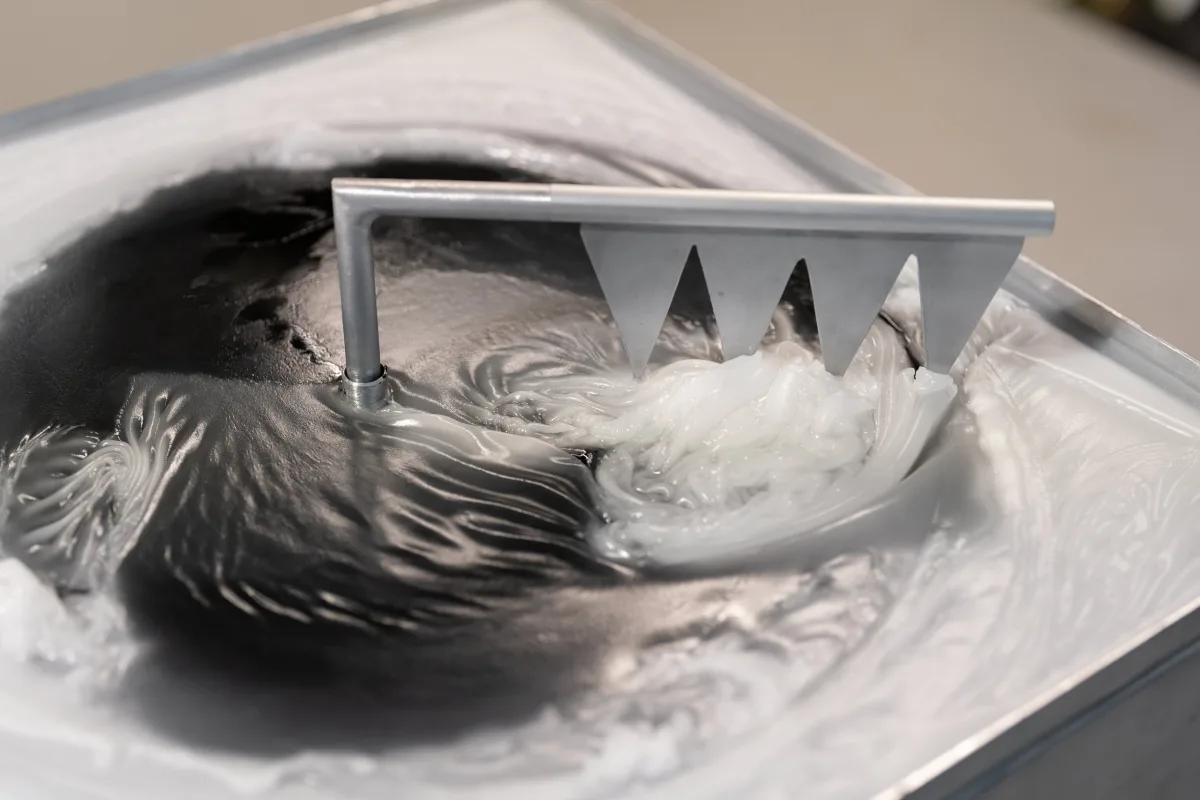 Old Wounds
“Old Wounds” explores the inner conflict of dealing with painful memories. It highlights the tension between the desire to let the past rest and the need to confront it time and again.While distance c…
Old Wounds
“Old Wounds” explores the inner conflict of dealing with painful memories. It highlights the tension between the desire to let the past rest and the need to confront it time and again.While distance c…
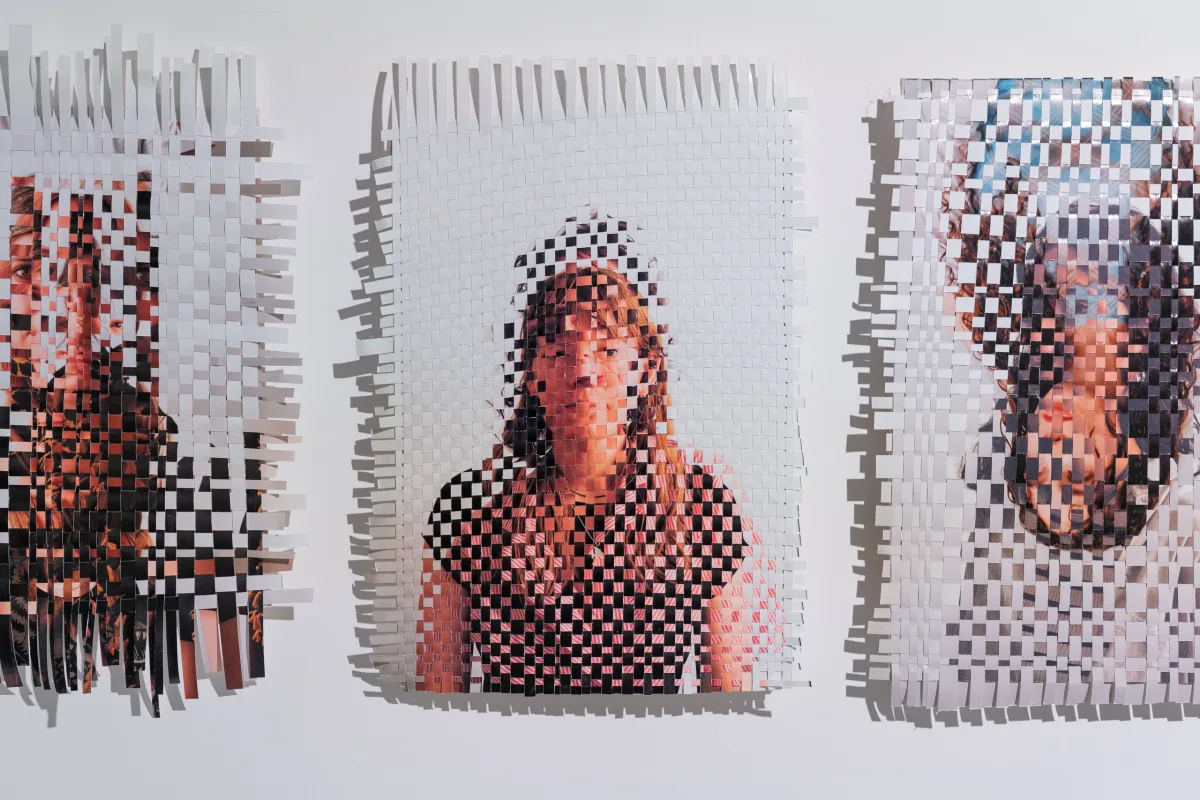 paula i
In “paula i“ photographs of women are cut up, intertwined, rearranged, woven and mixed in ways that cancel out the consumption of the woman as an image. Through this process, the intention is to portr…
paula i
In “paula i“ photographs of women are cut up, intertwined, rearranged, woven and mixed in ways that cancel out the consumption of the woman as an image. Through this process, the intention is to portr…
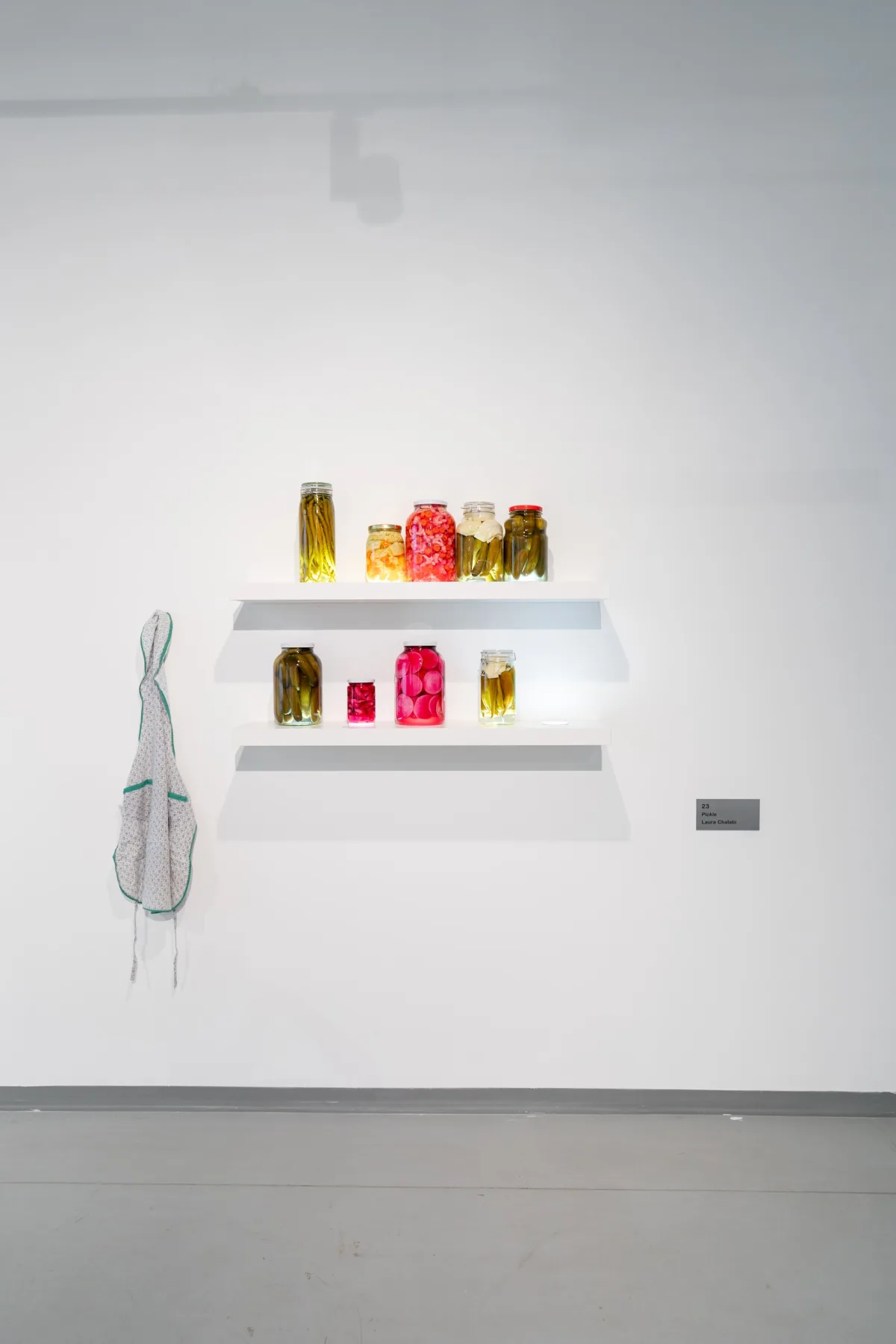 Pickle
 explores how diaspora preserves and transforms culture over time. Migrant communities often maintain versions of culture and language that are shaped by memory, thus creating forms of continuit…
Pickle
Pickle explores how diaspora preserves and transforms culture over time. Migrant communities often maintain versions of culture and language that are shaped by memory, thus creating forms of continuit…
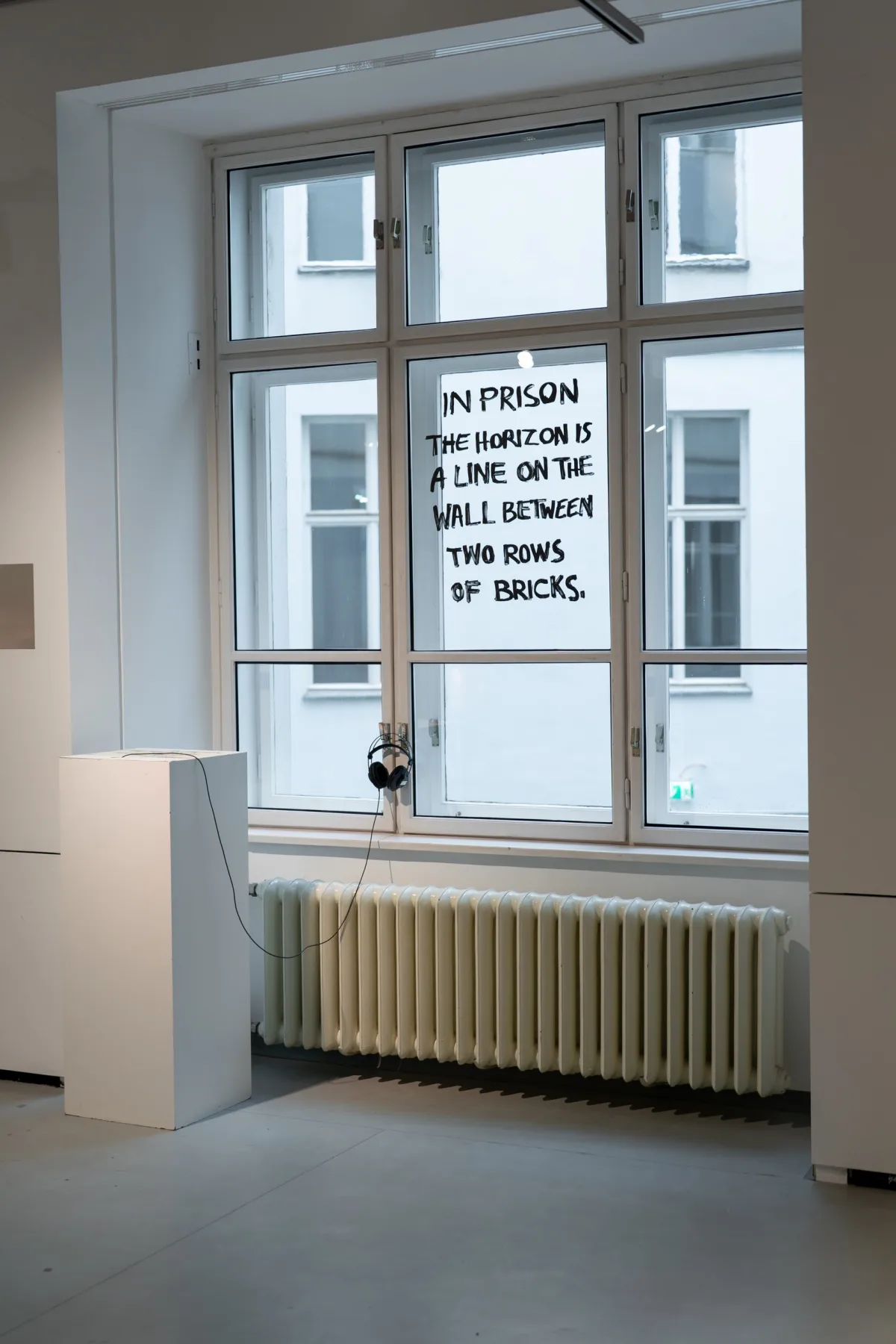 In prison the horizon is a line on the wall between two rows of bricks
The title is an entire short poem that the artist remembers from his old lost poetry notebook. Written in erasable chalk on the gallery window and accompanied by instrumental music by the same artist,…
In prison the horizon is a line on the wall between two rows of bricks
The title is an entire short poem that the artist remembers from his old lost poetry notebook. Written in erasable chalk on the gallery window and accompanied by instrumental music by the same artist,…
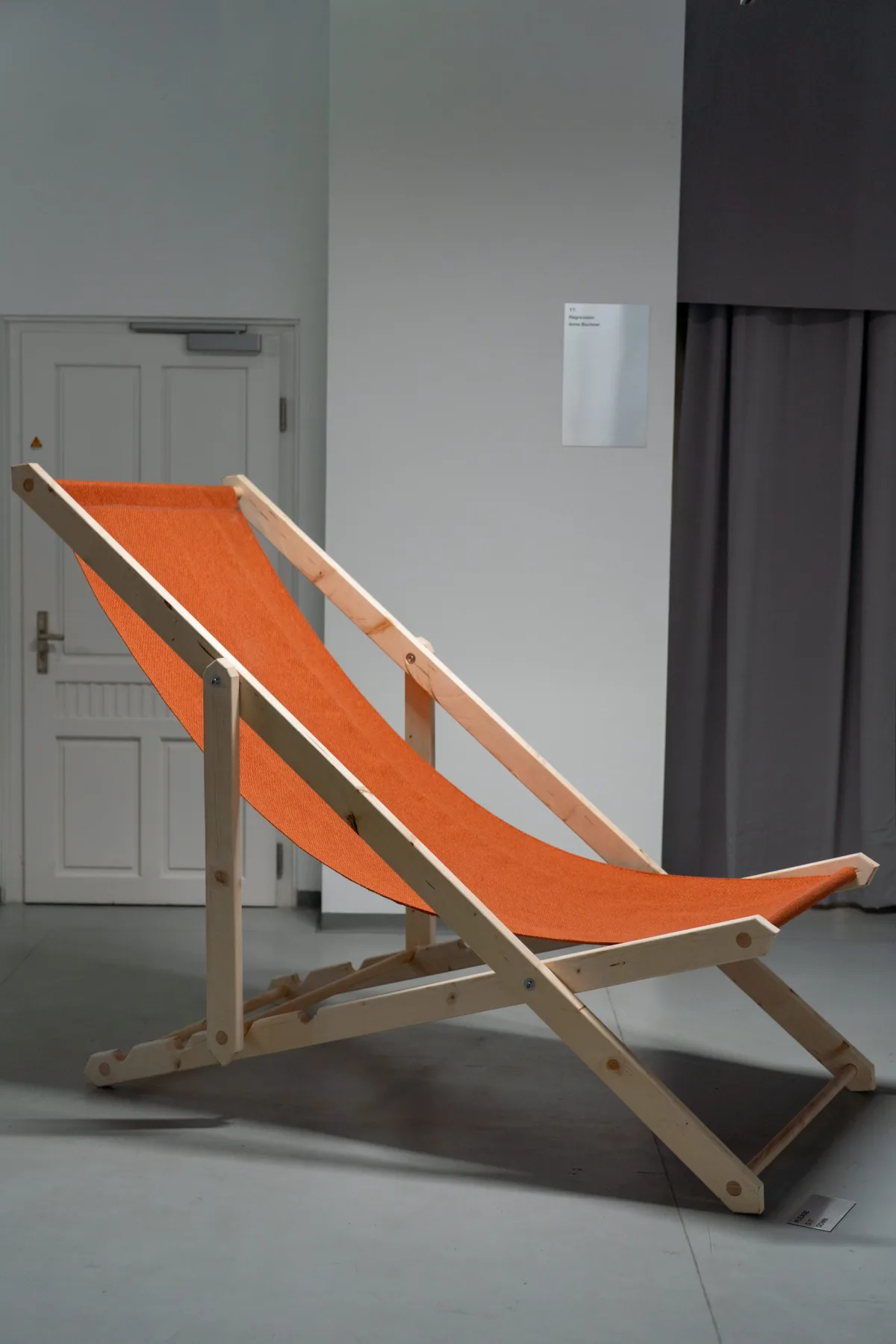 Regression
Sigmund Freud mentioned in his book Traumdeutung the phenomenon of regression. If you, in your dream, experience your dream from a lower perspective, or people appear bigger and things feel heavier, t…
Regression
Sigmund Freud mentioned in his book Traumdeutung the phenomenon of regression. If you, in your dream, experience your dream from a lower perspective, or people appear bigger and things feel heavier, t…
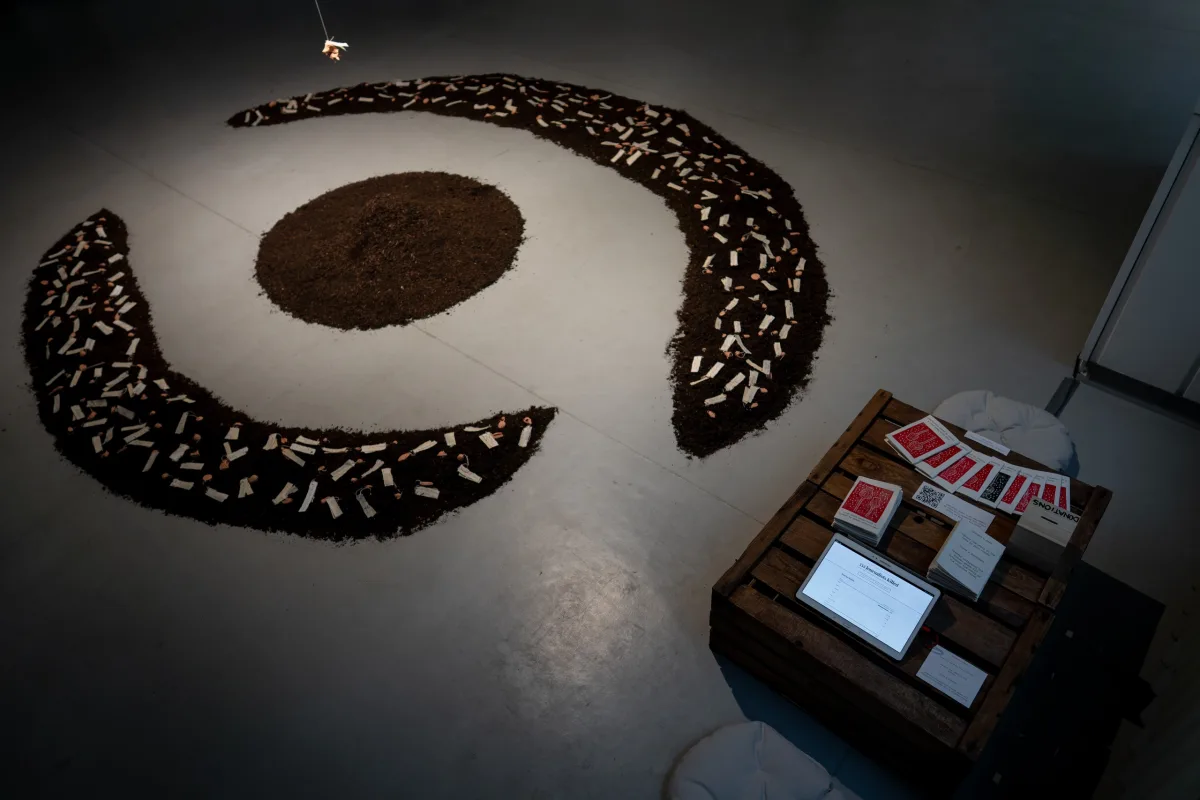 Remembering Ahl al-thara أهل الثرى
This work emerges from the need to participate in collective remembrance devoted for the human and more-than-human lives that have been lost since 7 October 2023 and throughout what is being described…
Remembering Ahl al-thara أهل الثرى
This work emerges from the need to participate in collective remembrance devoted for the human and more-than-human lives that have been lost since 7 October 2023 and throughout what is being described…
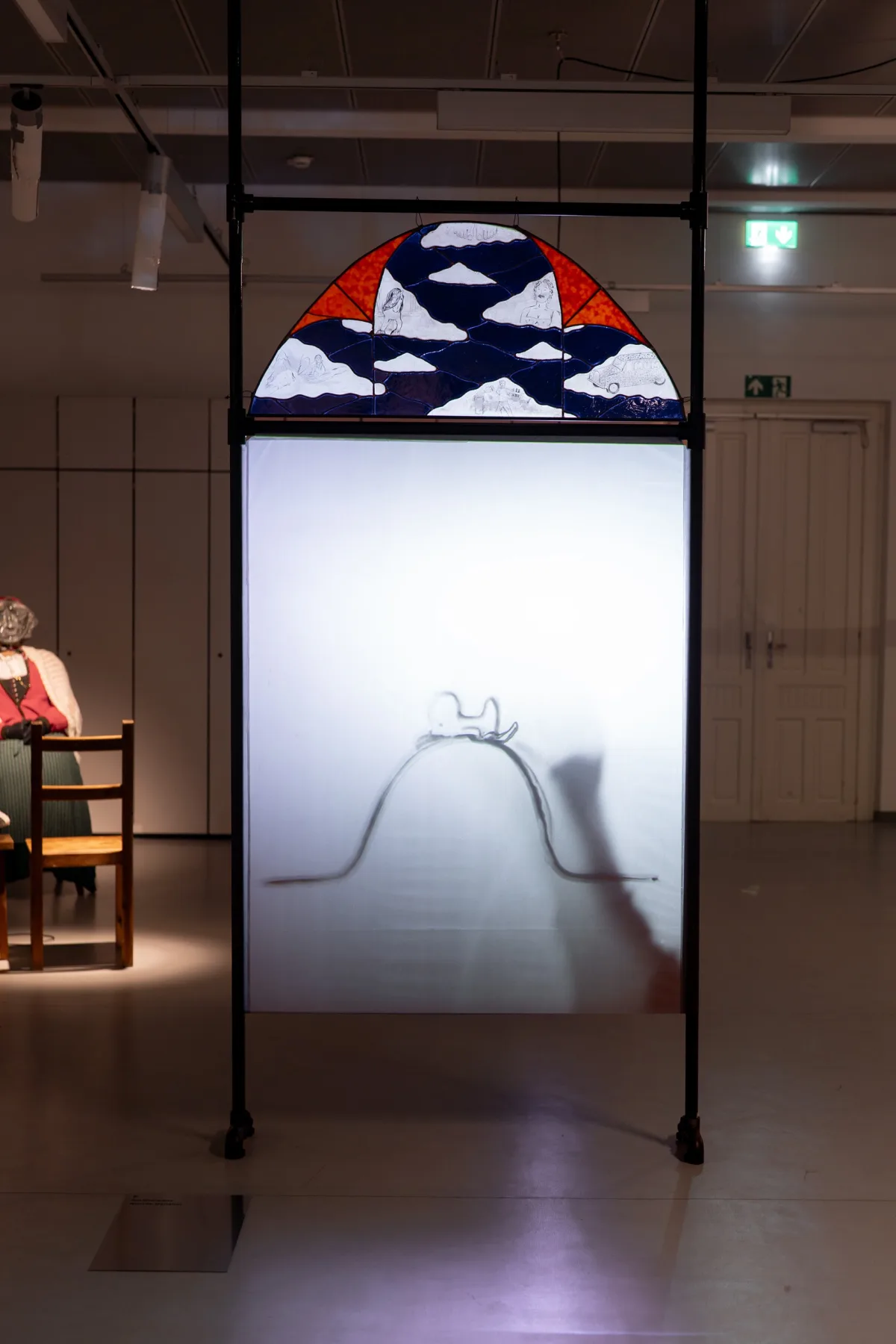 Smithereens
 reflects on the idea of link rot, when an internet link is no longer active, and the content becomes irretrievable. The title refers to the fragmented pieces of something that has been bro…
Smithereens
Smithereens reflects on the idea of link rot, when an internet link is no longer active, and the content becomes irretrievable. The title refers to the fragmented pieces of something that has been bro…
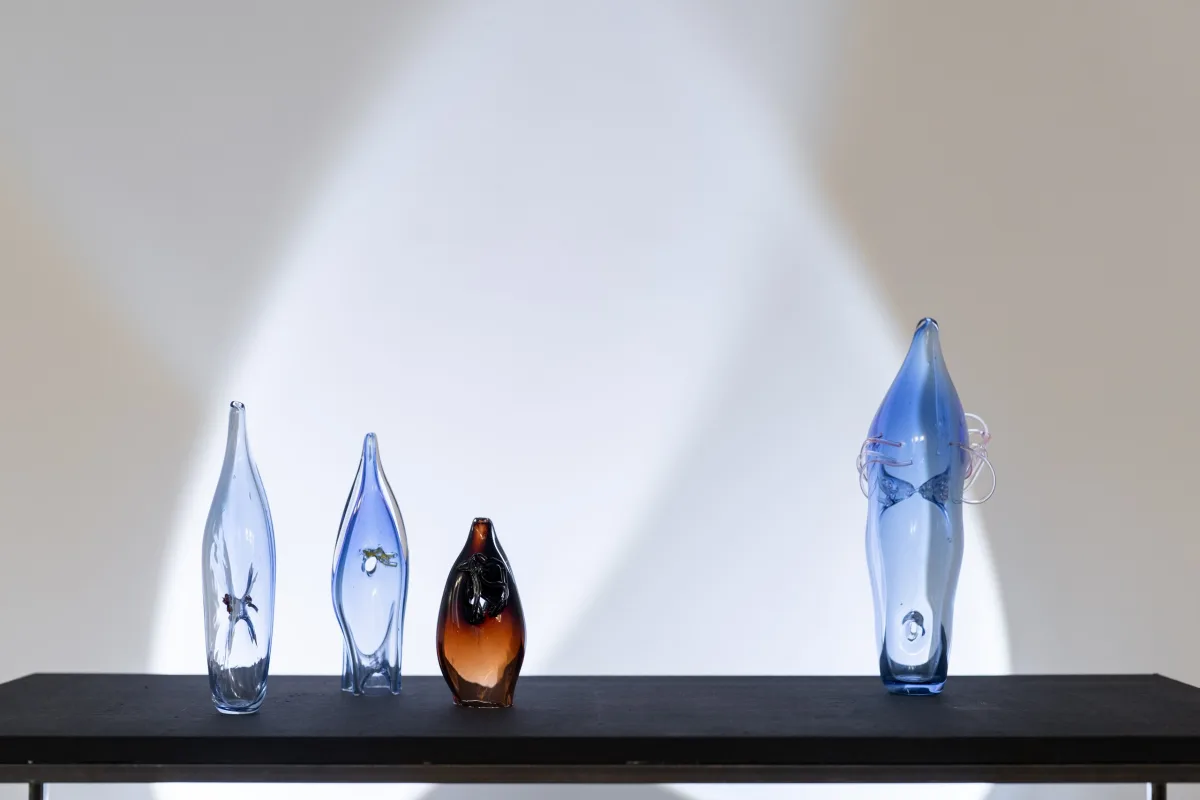 Teenhood
How to depict a moment of vast change? I barely remember my teenhood. When I think about it I’m left with a vague feeling of a deer frozen in headlights. Everybody was observing me changing, I felt th…
Teenhood
How to depict a moment of vast change? I barely remember my teenhood. When I think about it I’m left with a vague feeling of a deer frozen in headlights. Everybody was observing me changing, I felt th…
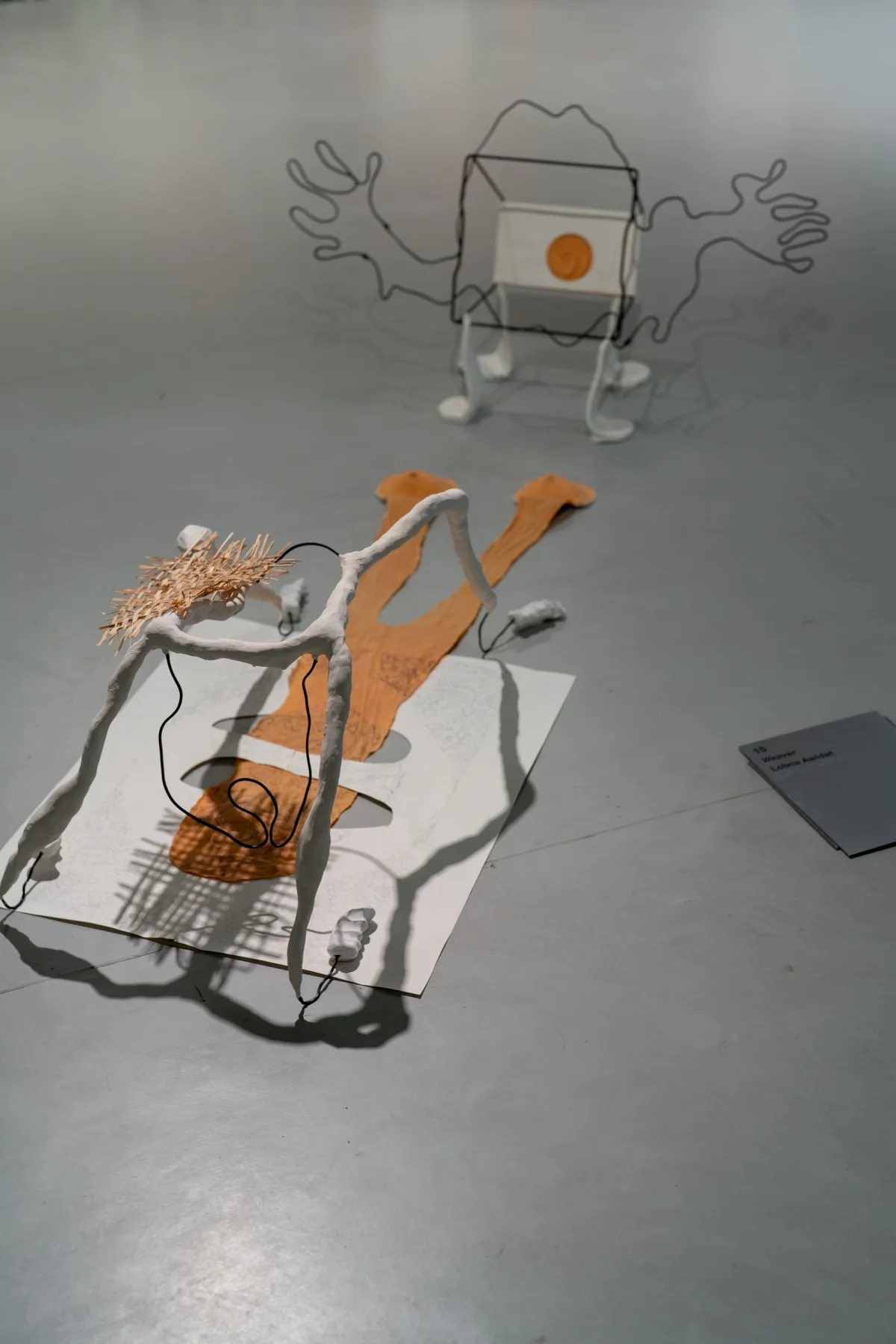 Weaver
It pressed into my body, or maybe my body pressed into it. The chair beneath me stopped feeling separate. It began to carry me, shape me, absorb me. This sculpture focuses on that quiet merging, where…
Weaver
It pressed into my body, or maybe my body pressed into it. The chair beneath me stopped feeling separate. It began to carry me, shape me, absorb me. This sculpture focuses on that quiet merging, where…
![[Reverberated]](https://artscience.uni-ak.ac.at/media/pages/projects/reverberated/ee43c20918-1788687914/2026_reverberated_01-1200x.webp) [Reverberated]
[REVERBERATED]Following the Movement of Memory Opening: Tuesday, 09 June 2026, 18:00Welcome by Rector Ulrike Kuch,Martin Reinhart, Virgil Widrich (Art & Science),and participating artistsPerformance L…
11 May 2026
Memory
Days of Wine and Roses
A warm invitation to the opening of the exhibition *’Days of Wine and Roses’ *with works from Art & Science students (2nd years), taking place on Thursday 23 April 2026 at 18:00 at NeverAtHome, Funkha…
27 Jan 2026
Class Excursions and Guest Lectures
[Reverberated]
[REVERBERATED]Following the Movement of Memory Opening: Tuesday, 09 June 2026, 18:00Welcome by Rector Ulrike Kuch,Martin Reinhart, Virgil Widrich (Art & Science),and participating artistsPerformance L…
11 May 2026
Memory
Days of Wine and Roses
A warm invitation to the opening of the exhibition *’Days of Wine and Roses’ *with works from Art & Science students (2nd years), taking place on Thursday 23 April 2026 at 18:00 at NeverAtHome, Funkha…
27 Jan 2026
Class Excursions and Guest Lectures